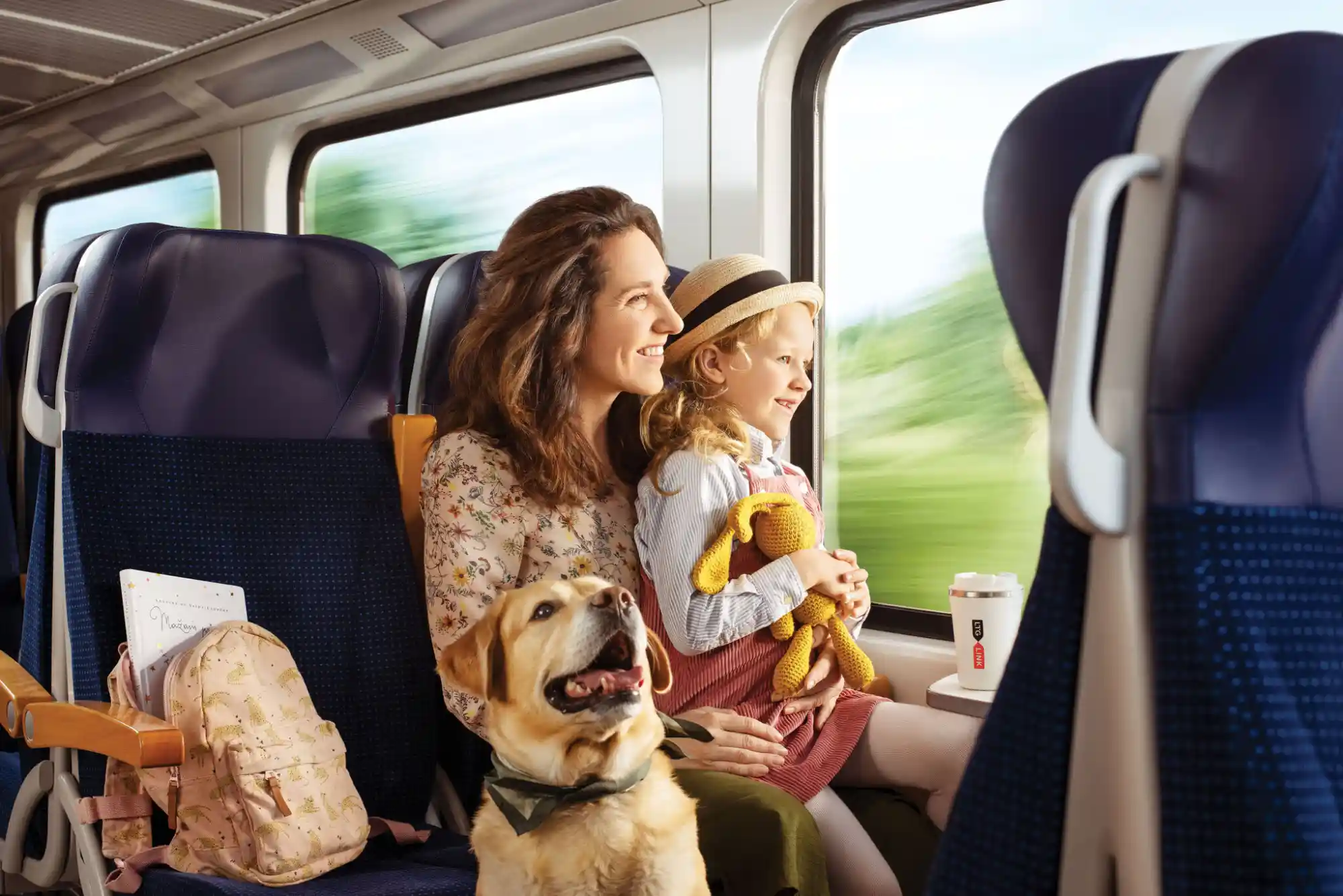

Road Tripping with Dogs: 10 Essential Safety Tips and Packing Checklist
Introduction
Road Tripping with Dogs: 10 Essential Safety Tips and Packing Checklist can make your next adventure safer and more enjoyable. Traveling with a dog requires more planning than simply getting into the car.
Dogs can become anxious during long drives. They can also get sick, distracted, overheated, or injured without proper preparation. Therefore, responsible planning should begin several days before departure.
A comfortable journey depends on three things. Your dog needs secure transportation, regular breaks, and familiar essentials. You should also prepare for unexpected situations along the way.
With the right approach, road travel can become an exciting experience for both of you. The following guide explains practical safety measures and packing essentials for a smoother journey.
Why Road Tripping With Dogs Requires Preparation
Dogs experience car travel differently. Some immediately relax inside a vehicle, while others become nervous after a few minutes.
Long journeys can also change their normal eating, sleeping, and bathroom routines. New surroundings may increase stress, especially when your dog is unfamiliar with travel.

Preparation helps reduce these problems. Before leaving, consider your dog’s age, health, temperament, and travel experience.
A short practice drive can also help. Gradually increase the driving time before attempting a long-distance trip. This gives your dog an opportunity to become comfortable with the vehicle.
Road Tripping With Dogs: 10 Essential Safety Tips
Keep Your Dog Properly Restrained
Your dog should never move freely around the passenger area while the vehicle is moving. Sudden movement can distract the driver and increase injury risks.
A properly fitted harness attached to a suitable seat-belt system can provide secure restraint. A travel crate can also work well for dogs that are comfortable inside crates.
Choose equipment appropriate for your dog’s size and weight. Test the setup before your departure.
Never Let Your Dog Ride in the Front Seat
Airbags are designed for human passengers. They can seriously injure a dog during a collision.
For this reason, dogs are generally safer in the rear passenger area. Keep them secured rather than allowing them to move between seats.
This arrangement also reduces driver distraction. A calm, restrained dog makes driving easier for everyone.
Take Regular Breaks
Dogs need regular opportunities to stretch, drink water, and relieve themselves. Long periods without movement can make them uncomfortable.
Plan stops according to your dog’s needs. Younger or highly active dogs may need more frequent breaks.
During each stop, use a leash before opening the vehicle door. An unfamiliar location can easily frighten an excited dog.
Keep Fresh Water Available
Hydration is especially important during warm-weather travel. Always keep clean drinking water accessible during stops.
A portable bowl makes drinking easier. Avoid relying entirely on water sources at rest areas because availability and cleanliness can vary.
Offer water regularly rather than waiting until your dog appears thirsty. However, avoid forcing large amounts immediately before driving.
Never Leave Your Dog Alone in a Parked Car
A parked vehicle can become dangerously hot very quickly. Cracking the windows does not reliably prevent dangerous temperatures.
Cold weather can also create serious risks. A vehicle can become extremely cold when temperatures drop.
Therefore, take your dog with you whenever practical. If a destination does not allow dogs, plan another arrangement in advance.
Watch for Signs of Motion Sickness
Some dogs experience nausea during car journeys. Signs may include excessive drooling, licking, whining, restlessness, or vomiting.
Avoid giving your dog a large meal immediately before departure. A veterinarian can also advise you about travel-related nausea.
If your dog regularly becomes sick, practice shorter journeys first. Gradual exposure may improve comfort over time.
Keep Identification Information Updated
Travel increases the importance of reliable identification. Your dog should wear identification information that remains current.
A microchip can provide additional identification if your dog becomes separated from you. Make sure the registration details are accurate.
Carry recent photographs of your dog as well. These can help if you need to create a lost-pet notice.
Secure Food and Other Items
Loose objects can become dangerous during sudden braking. Food containers, bottles, toys, and luggage should remain securely stored.
Keep your dog’s travel area clear. Heavy objects should never be positioned where they could fall onto your pet.
A separate travel bag can keep essential supplies organized. This also makes roadside stops faster.
Check the Destination Before Leaving
Pet-friendly accommodation is important, but other restrictions also matter. Check hotel rules, local leash requirements, and nearby veterinary services.
Some destinations have specific pet requirements. International travel can involve additional documentation and health requirements.
Confirm these details before departure. Last-minute surprises can create unnecessary stress.
Prepare for Emergencies
Even a carefully planned trip can involve unexpected problems. Your emergency supplies should therefore be easy to reach.
Keep basic first-aid supplies, your dog’s medical information, and emergency contacts in your vehicle.
If your dog takes regular medication, pack enough for the entire journey. Carry extra supplies when practical.
What to Pack for a Road Trip With Your Dog
Packing becomes easier when you think about your dog’s normal daily routine. Everything your dog regularly needs should have a travel-friendly alternative.
| Essential Item | Why You Need It |
|---|---|
| Food | Maintains your dog’s regular diet |
| Fresh water | Supports hydration during travel |
| Portable bowls | Makes feeding and drinking convenient |
| Leash and harness | Provides control during stops |
| Travel crate or restraint | Helps keep your dog secure |
| Waste bags | Keeps rest stops clean |
| Bedding | Provides comfort in unfamiliar places |
| Favorite toy | Offers familiarity and entertainment |
| Towels | Useful for wet or muddy situations |
| Medications | Maintains regular treatment |
| First-aid supplies | Helps with minor emergencies |
| Identification details | Supports safe recovery if lost |
| Cleaning supplies | Handles accidents inside the vehicle |
| Grooming supplies | Keeps your dog comfortable |
| Recent photographs | Useful if your dog becomes lost |
Make the Car Comfortable for Your Dog
Comfort can influence your dog’s behavior during a long journey. A familiar blanket or bed can make the travel space feel less strange.
Maintain comfortable ventilation throughout the trip. However, avoid allowing your dog to hang its head outside the window.
Wind, road debris, and sudden movements can cause injuries. Open windows can also create escape risks during stops.
Consider using a protective seat cover if your dog sheds heavily. It can also make cleaning easier after muddy walks.
Plan Meals Around the Journey
Maintaining a familiar feeding schedule can help your dog adjust. Sudden dietary changes may cause stomach problems during travel.
Pack the same food your dog normally eats. Do not assume your destination will have the exact brand or formula.
Keep treats moderate during the journey. Too many treats can contribute to digestive problems.
If your dog is prone to motion sickness, discuss feeding schedules with your veterinarian before traveling.
Plan Dog-Friendly Stops
A successful road trip is not only about reaching the destination. The journey itself should provide opportunities for your dog to relax.
Look for suitable walking areas along the route. Parks, pet-friendly rest stops, and quiet outdoor spaces can provide useful breaks.
However, always check local rules before allowing your dog off a leash. Keep your dog under control around unfamiliar animals and people.
A few minutes of calm walking can help reduce restlessness inside the vehicle.
Prepare Your Dog Before Departure
Preparation should begin before the travel day. Introduce your dog to its harness, crate, or travel restraint in advance.
Reward calm behavior inside the stationary vehicle. Then try short drives around your local area.
Gradually increase the duration. This approach can help dogs associate the car with positive experiences.
Avoid making the first car journey an extremely long one. Building confidence gradually is usually easier for nervous dogs.
What to Do If Your Dog Becomes Anxious
Some dogs may pant, whine, tremble, or repeatedly change position during travel. These behaviors can indicate anxiety.
Remain calm and avoid reacting dramatically. Your behavior can influence your dog’s emotional state.
During a safe stop, offer water and a short break. Give your dog time to settle before continuing.
For severe travel anxiety, speak with a veterinarian before your trip. Professional guidance can help identify suitable strategies.
Road Tripping With Dogs: A Simple Pre-Trip Routine
A few days before departure, confirm your dog’s identification information. Check your supplies and replace anything expired or damaged.
The night before travel, organize the packing area. Keep important items accessible instead of placing them underneath heavy luggage.
On departure morning, allow enough time for a bathroom break. Avoid rushing your dog into the vehicle.
Once everything is secured, check the restraint one final time. Then begin your journey calmly.
Common Mistakes to Avoid
One common mistake is packing everything but forgetting easy access. Water, waste bags, treats, and cleaning supplies should remain reachable.
Another mistake is assuming every stop will welcome pets. Confirm pet policies before relying on a particular location.
Some owners also underestimate the importance of identification. Updated contact details can make a major difference if separation occurs.
Finally, avoid changing your dog’s routine unnecessarily. Familiar food, bedding, and feeding habits can make travel easier.
Frequently Asked Questions
How long can a dog travel in a car?
How long is too long for a dog in a car?
There is no single duration suitable for every dog. Age, health, temperament, weather, and travel experience all matter.
For longer journeys, schedule regular breaks for water, bathroom needs, movement, and relaxation. Monitor your dog throughout the journey.
Should dogs wear seat belts in the car?
What is the safest way for a dog to travel in a car?
A properly fitted restraint system can help prevent your dog from moving around the vehicle. A suitable travel crate can provide another secure option.
The correct choice depends on your dog’s size, behavior, and comfort.
Can dogs get car sick?
How do I stop my dog from getting sick in the car?
Some dogs experience motion sickness, particularly during longer journeys. Smaller meals and gradual driving practice may help.
If symptoms continue, consult a veterinarian before traveling. Avoid giving medication unless a veterinary professional recommends it.
How often should I stop when traveling with a dog?
How frequently should dogs take breaks on road trips?
Break frequency depends on your dog’s individual needs. Regular stops allow your dog to drink, stretch, and relieve itself.
Puppies, senior dogs, and dogs with specific health needs may require more frequent breaks.
Can I leave my dog in the car while I shop?
Is it safe to leave a dog alone in a parked car?
No. Parked vehicles can become dangerously hot or cold, even when conditions outside seem manageable.
Whenever possible, take your dog with you or arrange appropriate care.
Conclusion
Road Tripping with Dogs: 10 Essential Safety Tips and Packing Checklist becomes much easier when preparation starts early. Secure transportation, regular breaks, hydration, identification, and emergency planning should remain priorities.
Your dog also needs comfort and familiarity throughout the journey. Bring its normal food, bedding, leash, medication, and favorite items whenever practical.
Most importantly, pay attention to your dog’s behavior. Every dog responds differently to travel, so adjust your routine when necessary.
A little preparation can turn a stressful drive into a memorable adventure. Before your next journey, use this guide to prepare your dog, organize your vehicle, and check every essential item.
Start planning today, pack thoughtfully, and make your next road trip safer and more comfortable for your four-legged companion.